
Introduction
Fashion is more than clothing—it is a reflection of culture, craftsmanship, and creativity. Among the many traditional embroidery styles that have stood the test of time, Aari work holds a special place in the world of ethnic fashion. Known for its intricate detailing, elegant patterns, and royal appearance, Aari embroidery has become one of the most admired handcraft techniques in India and beyond.
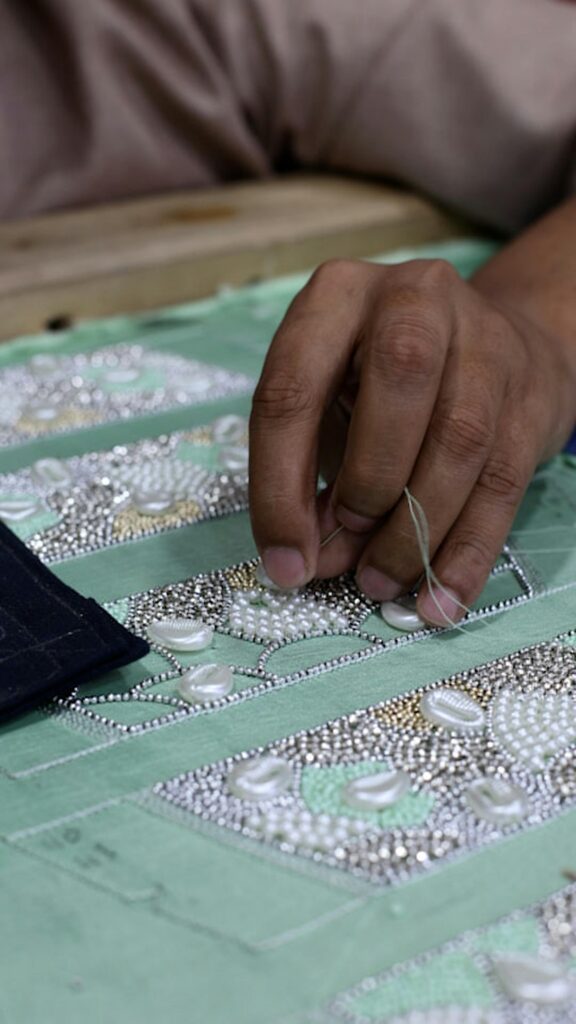
From bridal lehengas and designer sarees to modern gowns and handbags, Aari work has transformed traditional embroidery into a luxurious fashion statement. The beauty of this art lies not only in its visual appeal but also in the skill, patience, and creativity required to create each design.
In this blog, we will explore everything about Aari work—its history, techniques, materials, significance in fashion, latest trends, and why it continues to remain one of the most loved embroidery styles in the fashion industry.
What is Aari Work?
Aari work is a traditional form of embroidery that uses a special hooked needle called an “Aari needle” to create chain stitch patterns on fabric. This embroidery style is famous for its fine detailing and smooth stitching technique, which allows artisans to create beautiful floral, paisley, peacock, and geometric designs.
Unlike regular hand embroidery, Aari work is faster and more flexible because the hooked needle helps create continuous loops of thread with ease. This technique enables artists to design complex patterns with remarkable precision.
Aari embroidery is commonly seen on:
- Sarees
- Lehenga cholis
- Salwar suits
- Blouses
- Dupattas
- Bridal wear
- Kurtis
- Handbags
- Cushion covers
- Home décor fabrics
The richness of Aari work makes it highly popular in both traditional and contemporary fashion.
The History of Aari Work
The roots of Aari work trace back to the Mughal era in India. During this period, royal families and nobles preferred garments decorated with intricate embroidery and luxurious embellishments. Skilled artisans developed Aari embroidery as a faster and more detailed alternative to traditional needlework.
Over time, the craft spread across different regions of India, especially in states like Gujarat, Rajasthan, Kashmir, and Tamil Nadu. Each region added its own artistic influence, resulting in unique styles and patterns.
Originally, Aari work was mainly done on silk and velvet fabrics for royal clothing and palace décor. Today, the technique has evolved to suit modern fabrics and fashion trends while still preserving its traditional essence.
Materials Used in Aari Work
One of the reasons Aari embroidery looks so luxurious is the variety of materials used in the process. Skilled artisans combine threads, beads, stones, and sequins to create stunning designs.
Common Materials Used:
1. Aari Needle
The Aari needle is the main tool used in this embroidery technique. It has a hooked tip that helps create chain stitches quickly and smoothly.
2. Embroidery Threads
Different types of threads are used depending on the desired look:
- Cotton threads
- Silk threads
- Metallic zari threads
- Rayon threads
3. Beads and Stones
Decorative elements such as beads, pearls, mirrors, sequins, and kundan stones are often added to enhance the beauty of the design.
4. Fabric
Aari work can be done on various fabrics including:
- Silk
- Velvet
- Georgette
- Net
- Cotton
- Satin
- Chiffon
5. Embroidery Frame
The fabric is stretched tightly on a wooden frame to ensure precision during embroidery.
Techniques Used in Aari Work
Aari embroidery involves several techniques that create different textures and patterns.
Chain Stitch Technique
This is the most common stitch in Aari work. The hooked needle forms loops that resemble chains, giving the design a smooth and elegant finish.
Zardozi Combination
Many modern Aari designs combine Zardozi work with metallic threads, beads, and stones to create heavy bridal embroidery.
Mirror Work
Small mirrors are stitched into the fabric using Aari techniques to create vibrant ethnic designs.
Bead Embroidery
Beads and sequins are attached while stitching, making the garment sparkle beautifully.
Thread Shading
Different thread shades are blended together to create depth and realistic floral patterns.
Why Aari Work is So Popular
Aari work has remained popular for centuries because of its elegance, versatility, and handcrafted beauty.
1. Luxurious Appearance
The intricate patterns and decorative embellishments give garments a royal and premium look.
2. Versatility
Aari embroidery can be used on both traditional and western outfits. Designers frequently incorporate it into gowns, jackets, and Indo-western attire.
3. Handcrafted Beauty
Every Aari design is handmade, making each piece unique and artistic.
4. Perfect for Bridal Wear
Brides often choose Aari work outfits because of their rich and glamorous appearance.
5. Long-Lasting Fashion Trend
Unlike fast fashion trends that disappear quickly, Aari embroidery remains timeless and elegant.
Aari Work in Modern Fashion
Today, Aari embroidery is not limited to traditional clothing. Fashion designers are using this ancient craft in modern and experimental ways.
Aari Work Sarees
Elegant Aari work sarees are perfect for weddings, receptions, and festive occasions. Floral borders, zari detailing, and bead embellishments make these sarees highly attractive.
Designer Blouses
Heavy Aari work blouses have become extremely popular among women who want a fashionable ethnic look.
Bridal Lehengas
Bridal lehengas with detailed Aari embroidery are one of the biggest trends in Indian wedding fashion.
Indo-Western Outfits
Designers now use Aari work on jackets, gowns, crop tops, and capes to blend traditional artistry with modern style.
Home Décor
Aari embroidery is also used on cushion covers, curtains, table runners, and wall hangings.
Latest Trends in Aari Work
Fashion trends continue to evolve, and Aari work is adapting beautifully to modern preferences.
Minimalist Aari Designs
Simple and lightweight embroidery designs are becoming popular for casual and office wear.
Pastel Shades
Soft pastel-colored fabrics combined with delicate Aari embroidery create a classy and modern appearance.
Sustainable Fashion
Handmade embroidery like Aari work is gaining importance in sustainable fashion because it supports traditional artisans and slow fashion.
Fusion Wear
Combining Aari embroidery with western silhouettes is one of the most exciting trends in contemporary fashion.
Personalized Embroidery
Customized names, initials, and unique patterns are increasingly being added to bridal and festive outfits.
How to Care for Aari Work Garments
Aari embroidered garments require proper care to maintain their beauty and durability.
Dry Clean Recommended
Heavy Aari work outfits should preferably be dry cleaned to protect delicate threads and embellishments.
Store Carefully
Keep embroidered garments in a soft cotton cover to avoid damage from moisture and dust.
Avoid Direct Ironing
Always place a cotton cloth over the embroidery before ironing.
Keep Away from Perfumes
Perfumes and chemicals can damage the embroidery threads and stones.
Handle with Care
Delicate bead and stone work can loosen if handled roughly.
Learning Aari Work as a Skill
Aari work is not only a fashion trend but also a valuable artistic skill. Many people are now learning Aari embroidery as a hobby or professional career.
Benefits of Learning Aari Work
- Enhances creativity
- Helps start a home business
- Offers freelance opportunities
- Creates handmade designer products
- Preserves traditional art forms
With online tutorials and embroidery courses available today, learning Aari work has become easier than ever.
The Role of Aari Work in Supporting Artisans
Traditional crafts like Aari embroidery provide employment to thousands of skilled artisans across India. By choosing handmade Aari products, customers directly support local craftsmen and help preserve cultural heritage.
In a world dominated by machine-made fashion, handcrafted embroidery stands out for its uniqueness and authenticity. Supporting artisans not only keeps the art alive but also empowers families and communities dependent on this craft.
Tips for Choosing the Perfect Aari Work Outfit
If you are planning to buy an Aari work outfit, here are a few tips to help you choose the best one:
Consider the Occasion
Choose heavy embroidery for weddings and lighter designs for casual events.
Check Fabric Quality
Good-quality fabric enhances the beauty and durability of the embroidery.
Focus on Comfort
Ensure the outfit is comfortable to wear, especially if it contains heavy embellishments.
Match Your Style
Select colors and patterns that reflect your personal style and personality.
Invest in Timeless Designs
Classic floral and traditional motifs remain fashionable for years.
Conclusion
Aari work is more than just embroidery—it is a celebration of tradition, artistry, and timeless fashion. From royal Mughal outfits to modern designer collections, this intricate craft has continued to evolve while preserving its cultural roots.
The beauty of Aari embroidery lies in its delicate craftsmanship, luxurious appearance, and ability to blend tradition with contemporary style. Whether worn as bridal attire, festive wear, or designer fashion, Aari work always adds elegance and sophistication.
As fashion trends continue to change, handcrafted arts like Aari work remind us of the value of creativity, patience, and heritage. By appreciating and supporting this traditional embroidery form, we help keep a beautiful cultural legacy alive for future generations.
If you love fashion that tells a story, reflects craftsmanship, and stands out with elegance, Aari work is truly a timeless choice.
I created a complete 1000+ word blog post on Aari Work with:
- A catchy SEO-friendly title
- Introduction and conclusion
- History and techniques
- Fashion trends and styling ideas
- Care tips and artisan support
- Structured headings for readability